

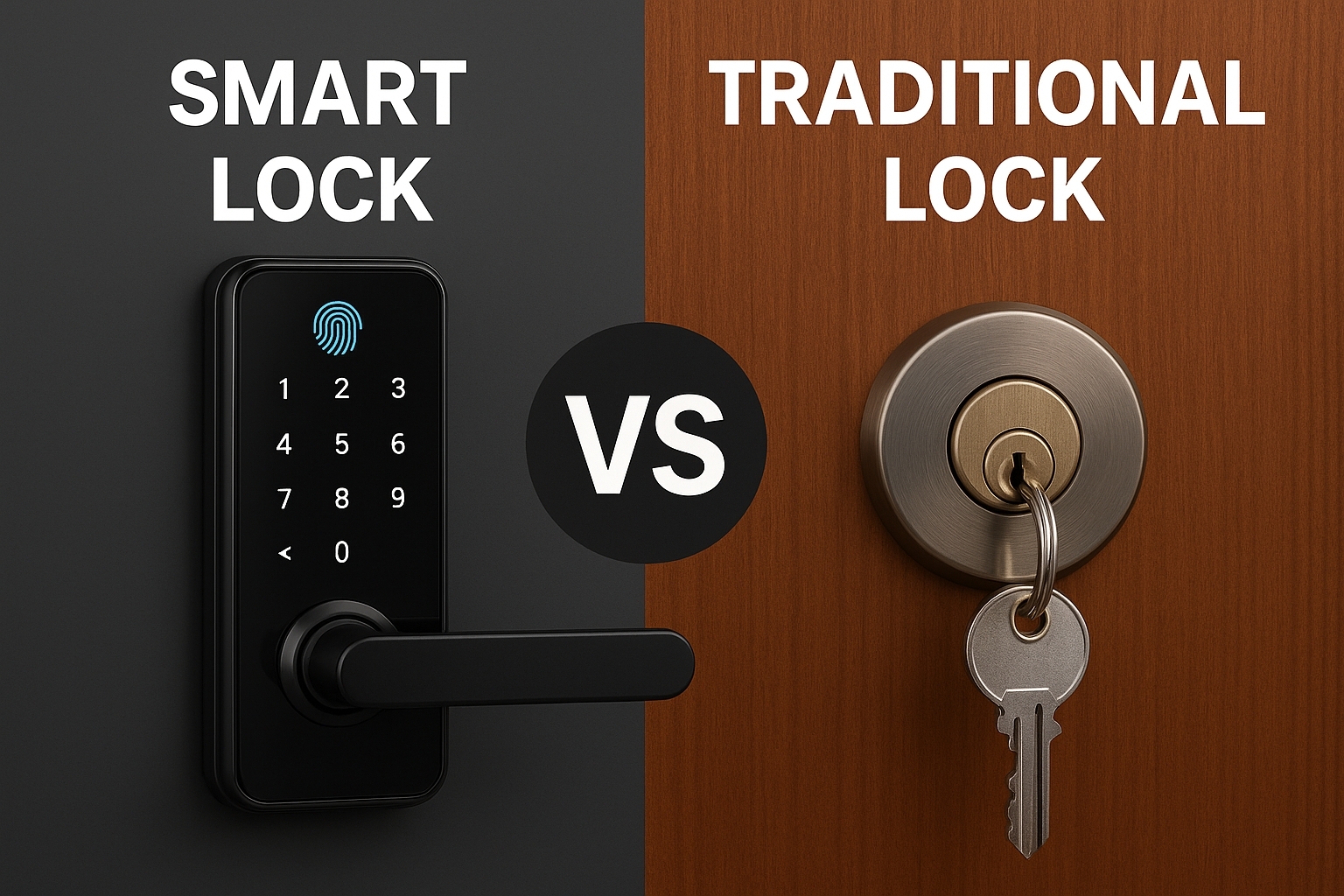
What Are Smart Locks and Traditional Locks?
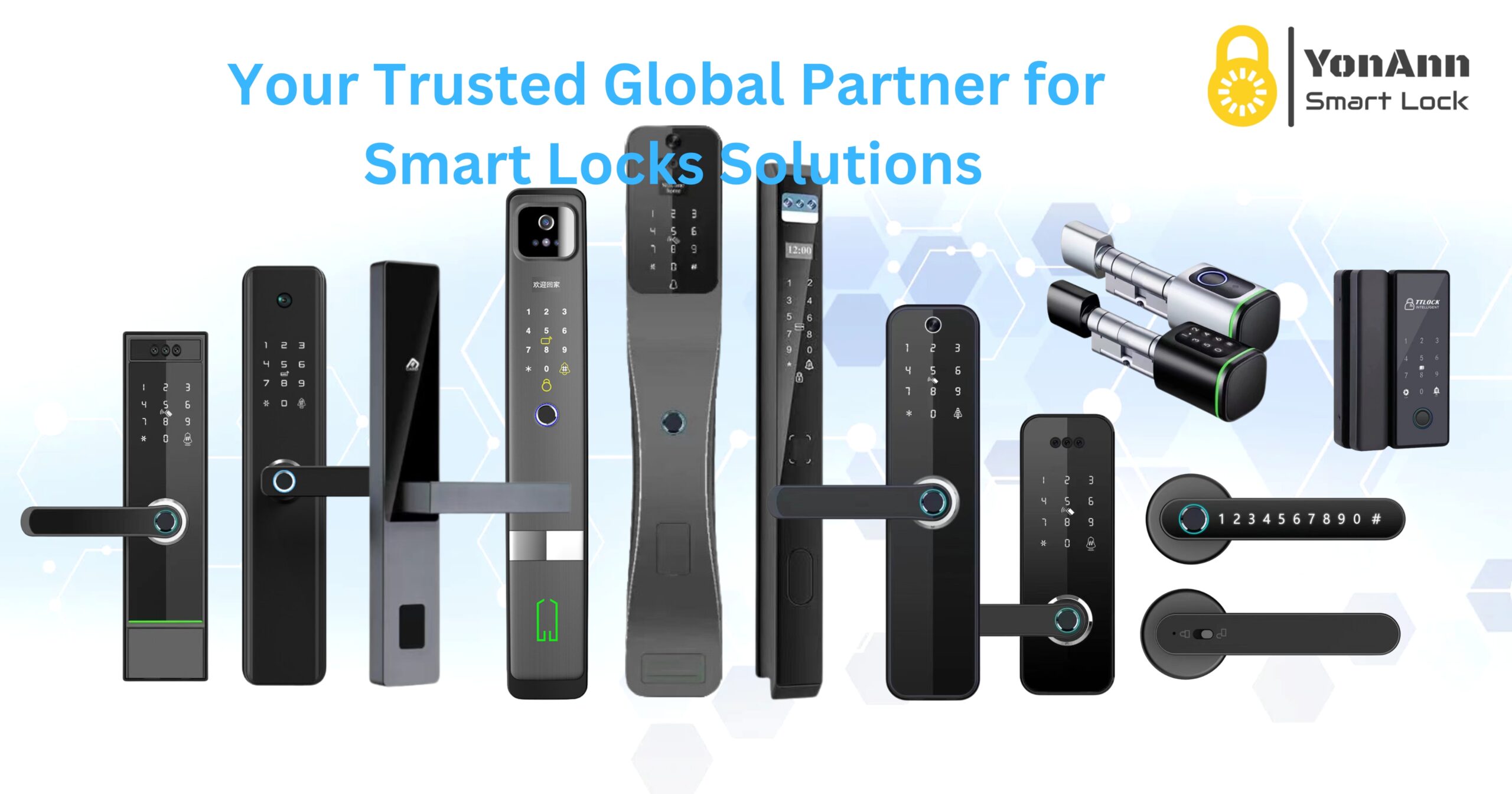
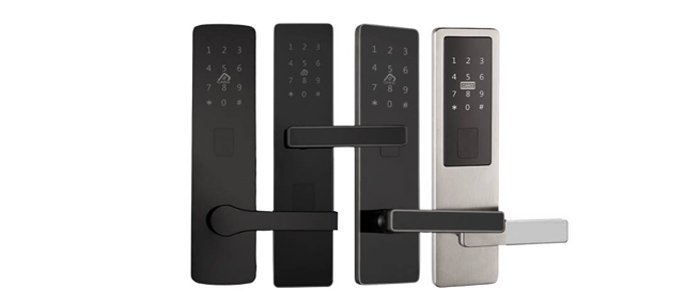
Common Types of Smart Digital Locks
Common Types of Traditional Locks
- Deadbolt locks
- Mortise locks
- Knob and lever locks
- Padlocks
Core Differences Between Smart Locks and Traditional Locks
| Feature | Smart Locks | Traditional Locks |
| Access Method | Mobile app, PIN, fingerprint, RFID | Physical key only |
| Security | Biometric, encryption, logs | Basic mechanical protection |
| Convenience | Remote access, multiple users | Key must be carried |
| Power Source | Battery-powered | None (manual) |
| Integration | Smart home compatible | No integration |
Which Lock Is Better for Hotels and Apartments?
Smart locks are better for hotels and apartments because they provide centralized management, remote access, and time-limited permissions.
Traditional locks are suitable for simple residential use but lack flexibility for multi-user environments.
Security Comparison
🔐 Smart Lock Security
- Encrypted digital access
- Real-time tracking logs
- Temporary PINs or mobile keys
- Biometric options: fingerprint, face, or palm vein recognition
- Ability to revoke access remotely
🛠️ Traditional Lock Security
- No digital risks (no hacking or software vulnerabilities)
- Susceptible to physical break-ins (lock-picking, bumping, or key duplication)
Verdict: Smart locks provide more dynamic control, but traditional locks can still be secure if high-quality materials and complex keyways are used.
Application Comparison: Home, Business, and Hospitality
🏠 For Homeowners
- Smart locks allow you to check your door status via the app.
- Share access with family or service providers.
- Receive alerts if someone enters at unusual times.
🏨 For hotels and apartments
- Hotel smart lock and apartment smart lock replace outdated mechanical locks with digital RFID or PIN entry.
- Easily manage access through PMS integration.
- Issue digital cards and set automatic expiration for guest access.
🏢 For Businesses & Warehouses
- Smart locks reduce the risk of unauthorized duplication of keys.
- Provide time-specific access to employees.
- Maintain access logs to improve accountability.
Initial Costs
- Traditional Locks: Usually between $10 to $100 per unit.
- Smart Locks: Range from $50 to $300+, depending on features.
Long-Term Value
- Smart locks offer better value with remote monitoring, rekeying convenience, and enhanced user management.
Installation
- Most traditional locks are DIY-friendly.
- Many smart locks today are also easy to install, with YonAnn offering plug-and-play options.
Real-World Scenarios
Case Study 1: Family Home
Case Study 2: Hotel with PMS
Case Study 3: Office Complex
Maintenance and Lifespan
- Occasional lubrication
- Key replacement if lost
- Battery replacement (every 6–12 months)
- App/software updates
- Periodic cleaning of fingerprint sensors
Future Trends and Tech Integration
- AI-powered face recognition
- Smart assistants (Alexa, Siri, Google, Matter smart lock, more suitable )
- Cloud-based management systems
Pros and Cons Summary
| Aspect | Smart Locks | Traditional Locks |
| Ease of Use | High (no key required) | Medium (key required) |
| Security Features | Advanced (biometrics, logs, encryption) | Basic to Medium |
| Cost | Higher initial, lower long-term management cost | Low initial, higher long-term cost |
| Maintenance | Battery checks, software updates | Physical maintenance (less frequent) |
| Scalability | Ideal for hotels, apartments, businesses | Less flexible |
Final Verdict: Smart or Traditional?
Choose Smart Locks if You:
- Want to manage access remotely
- Need multiple user access
- Use other smart home or business technologies
- Run a hospitality business
Stick with Traditional Locks if You:
- Prefer simple, mechanical systems
- Are you on a tight budget
- Don’t need an app or remote access features

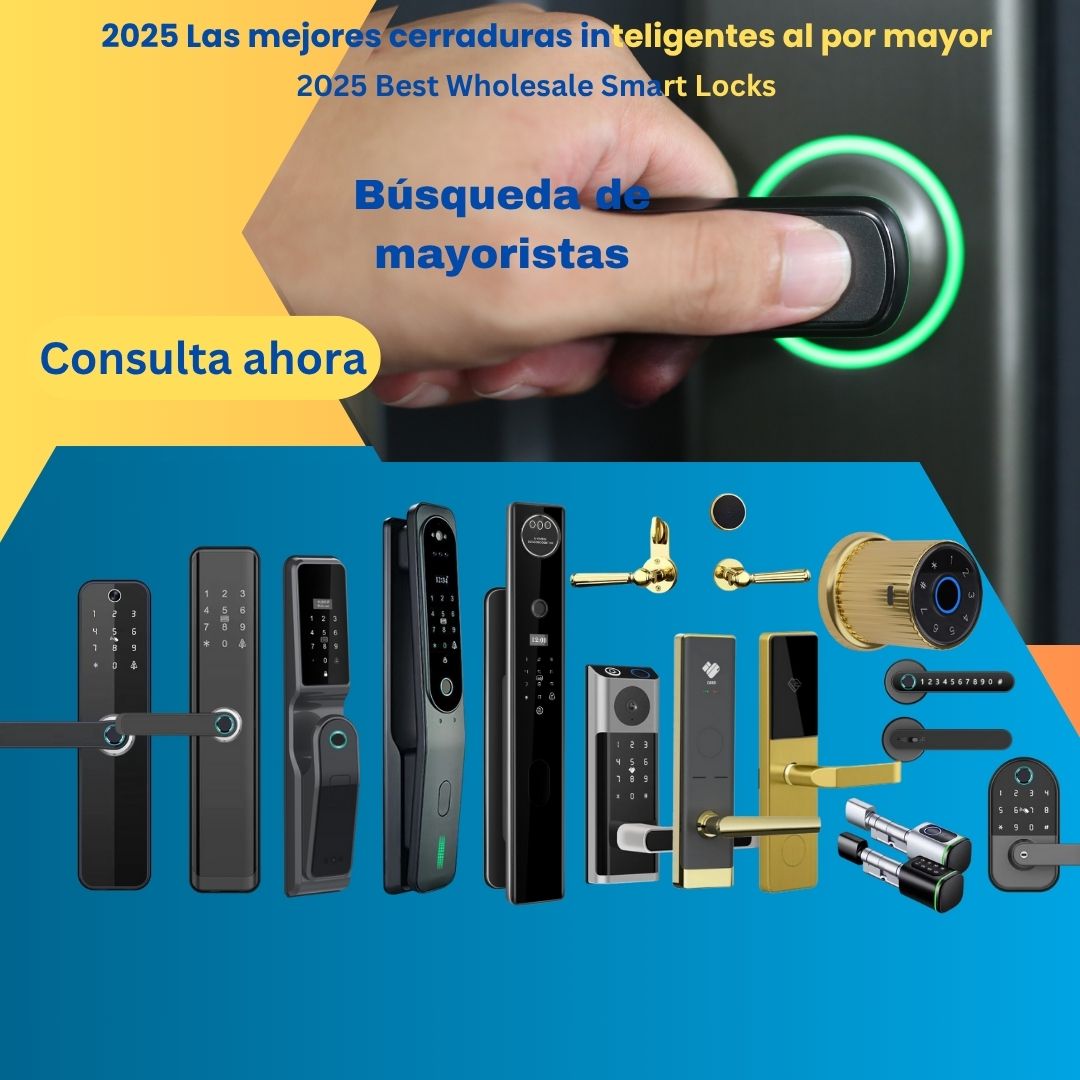
🔗 Explore More with YonAnn
- Double Fingerprint Smart Lock
FAQS
Which is safer, a smart lock or a traditional lock?
Smart locks can be safer because they use encrypted access and identity-based control, while traditional locks rely only on physical keys.
Are smart locks more expensive?
Smart locks cost more upfront but reduce long-term management costs, especially for hotels and rental properties.
Can smart locks replace traditional locks?
Yes, smart locks can fully replace traditional locks while providing additional features such as remote access and access tracking.
 English
  Russian
  Spanish
  Arabic
  Vietnamese